
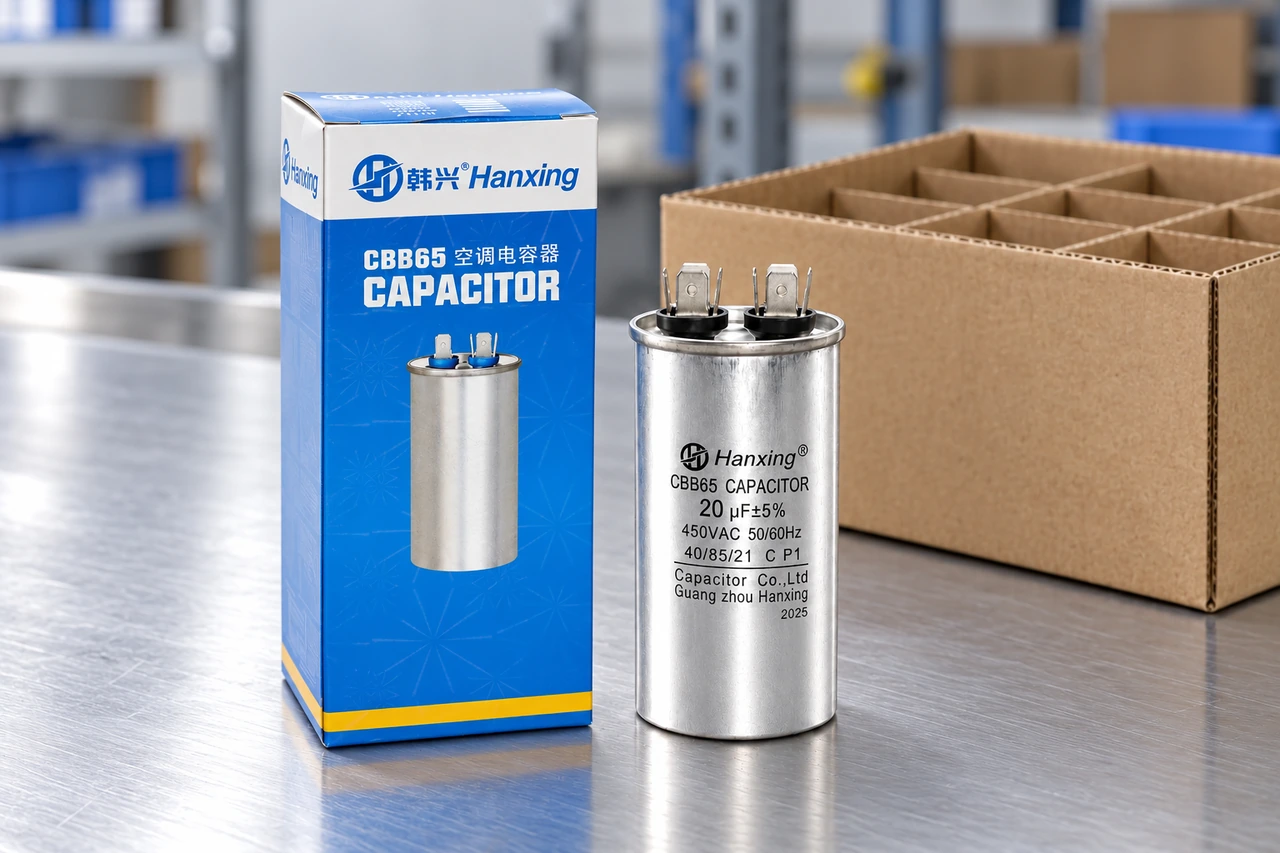
Use the same order and model references from sample approval through production, packing and dispatch. Record the approved revisions and the delivery responsibilities before production starts. Separate production completion, inspection release and carrier pickup so each date has a clear meaning.
Lock the product definition into the order
The order should identify the exact capacitor model, ratings, drawing revision and quantity for each configuration. Attach the approved sample reference, label artwork and agreed alternatives. An old order description can specify a superseded harness or packing layout by mistake.
Packing approval concerns the product inside the box
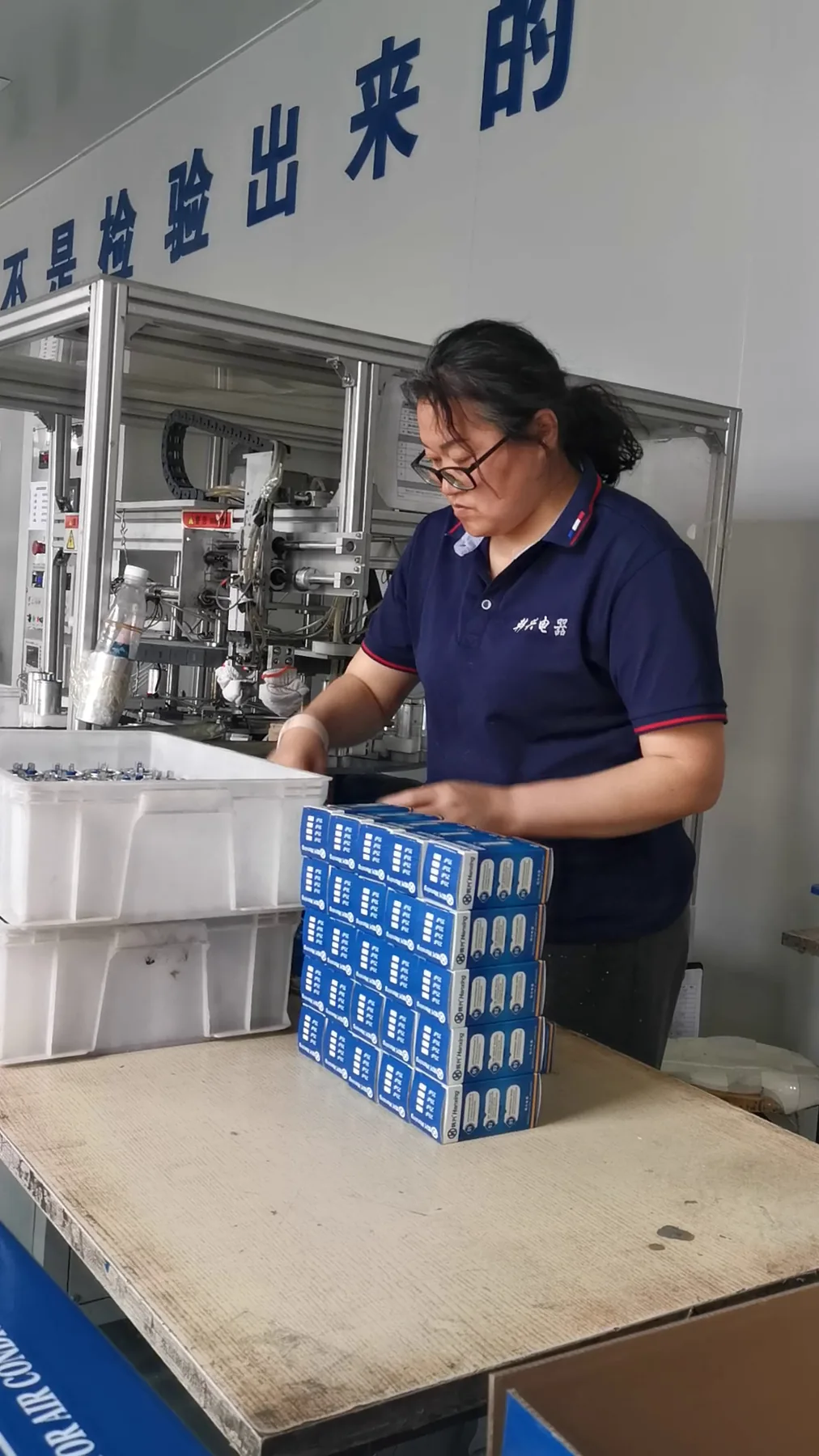
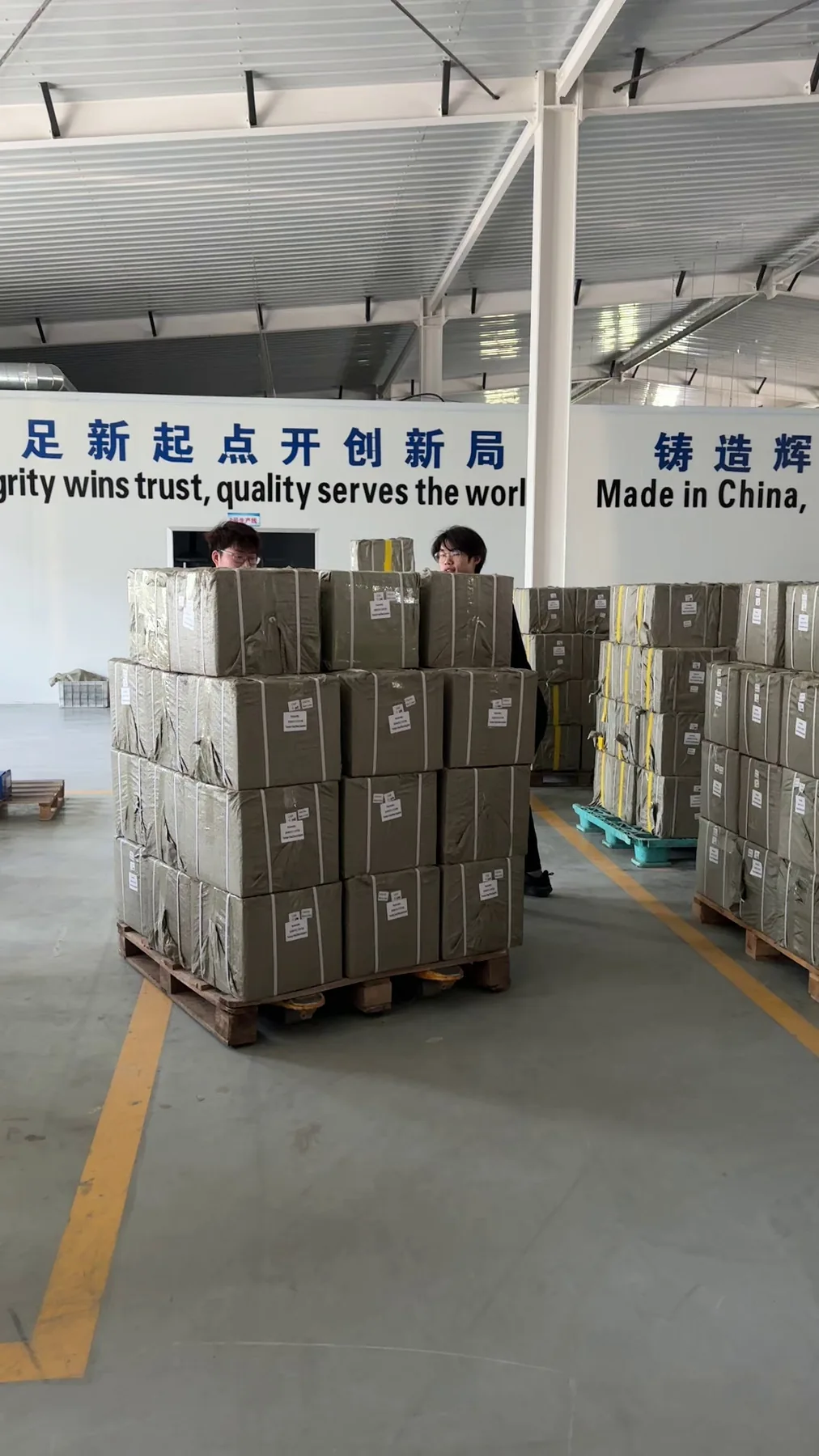
Specify the individual protection and carton arrangement, with units, marks and any pallet requirement. Capacitor leads and terminals need protection from pressure and contact. The actual packing list should reconcile quantities and carton counts with the order; it also supplies the recorded dimensions and weights used for shipment.
Protection inside the carton
Compare packing photos with the approved protection, dividers and units per carton.
An inspection release is different from a departure date
Production completion means the product is made. Inspection release means the agreed acceptance step is complete. Carrier pickup and departure are later logistics events. Record each date as confirmed or estimated and name the contact responsible for updates. This prevents one estimated production date from becoming a promised arrival date.
Partial shipments, delayed approvals and failed inspections need an agreed decision route. Preserve the affected model and quantity with the release record so unaffected items do not conceal unresolved parts of the order.
Define the delivery responsibility and document set
The delivery term needs its named place and the agreed allocation of freight and other costs. The commercial invoice, packing list and transport record must refer to the same goods and quantities. Any required origin, inspection or compliance document needs a named issuer and scope; it is not automatically supplied by a general export description.
Keep a usable record if something differs on arrival
Agree the reporting procedure and commercial claim terms before dispatch. On arrival, preserve order references, carton marks, quantities and photographs of any discrepancy. These records help the supplier compare the received goods with the order and identify the affected cartons or batch.
Order notes to keep together
Order reference:
Series / exact model / electrical ratings:
Drawing revision / connection layout:
Quantity by model / approved alternatives:
Sample approval / label artwork revision:
Price / currency / payment / quotation validity / sample or tooling charges:
Approved packing revision / protection / units / marks / language / pallet:
Carton count / dimensions / net and gross weights:
Inspection scope / acceptance criteria / record format / lot or sample reference:
Production complete: ______  confirmed or estimated: ______  contact: ______
Inspection release: ______  confirmed or estimated: ______  contact: ______
Carrier pickup: ______  confirmed or estimated: ______  contact: ______
Departure: ______  confirmed or estimated: ______  contact: ______
Estimated arrival: ______  update contact: ______
Delay / partial-shipment approval contact:
Delivery term and named place / shipping method / who pays freight:
Required documents / issuer / scope / matching order details:
Contact for discrepancies / reporting procedure / warranty and claim terms:
Order file reference / items still to agree:From individual boxes to loaded cartons
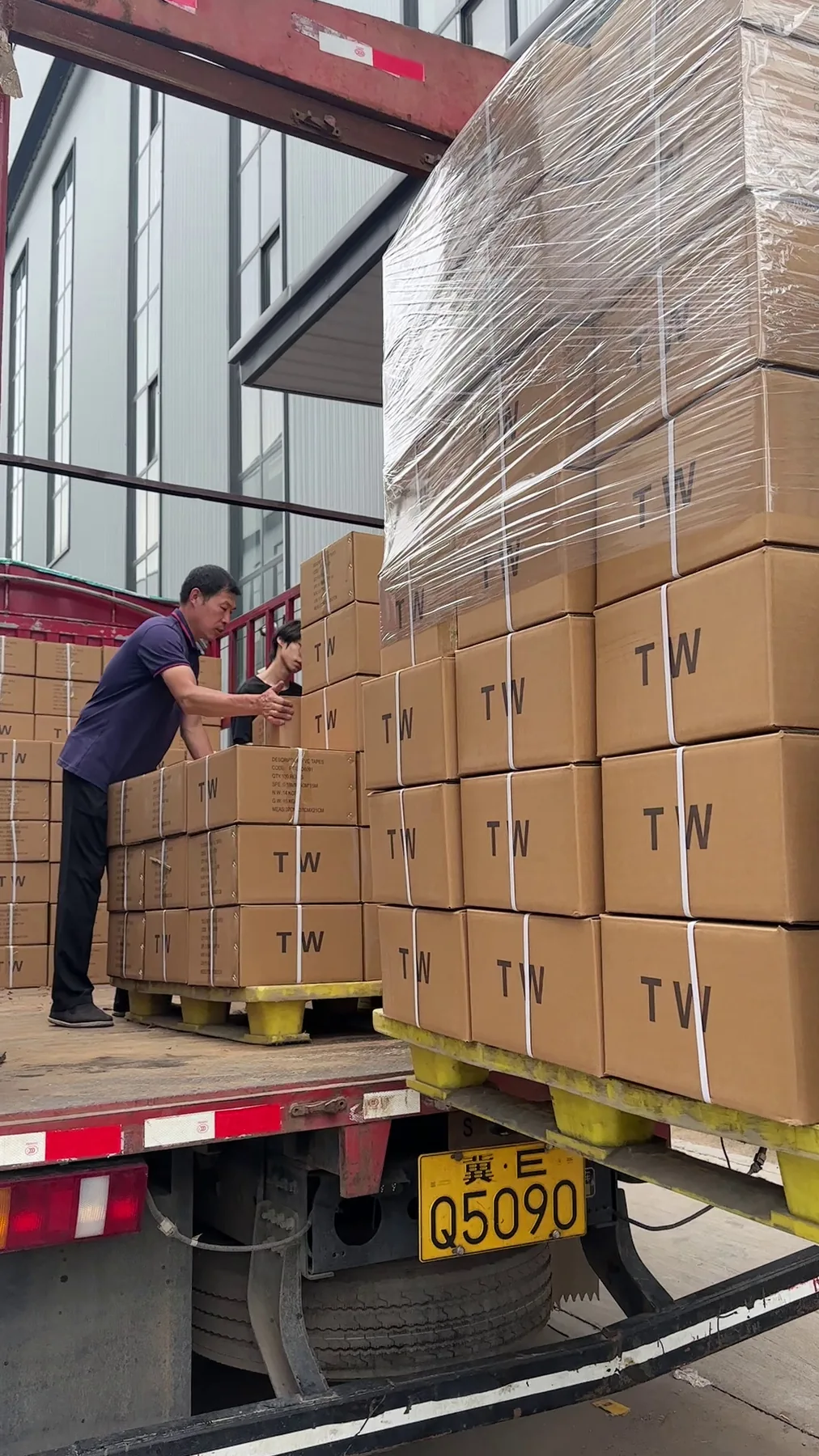
See how individual packing and loading fit into the dispatch process.
Discuss a specific order or shipment
Include the order reference and affected model when discussing packing, inspection or shipment records.